Banff is one of those destinations where the scenery constantly changes, even when you’re standing still. Light slides across mountain faces, clouds roll in and out of valleys, and lakes shift color depending on the time of day. For travelers who love photography, this makes Banff exciting, but also challenging. Getting a great shot often depends less on equipment and more on timing, access, and patience.
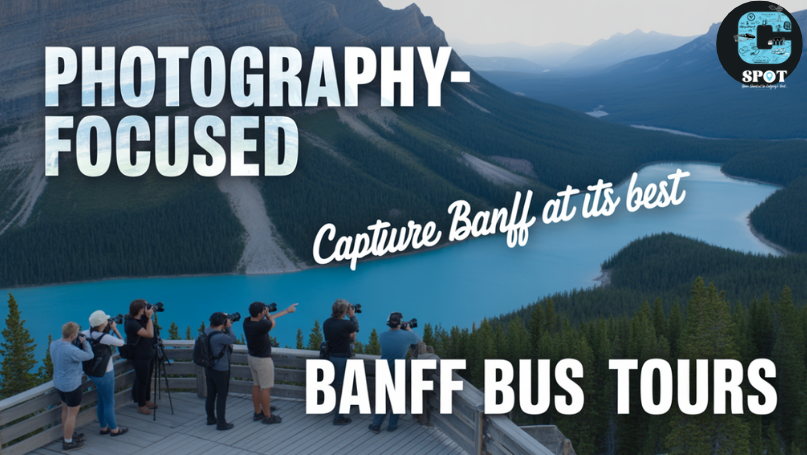
This is why photography-focused Banff Bus Tours have become a popular choice for visitors who want more than quick sightseeing stops. These tours are designed to remove distractions like driving, parking, and route planning, allowing travelers to focus fully on observation, composition, and creative moments. Whether you’re visiting Banff for the first time or returning with a camera in hand, guided photography experiences offer a calmer and more intentional way to explore the Canadian Rockies.
Understanding Photography-Focused Bus Tours in Banff
Photography-focused bus tours are not typical sightseeing trips. They are planned around natural conditions rather than packed itineraries. Instead of rushing through multiple attractions in a single day, these tours emphasize fewer locations with longer stops, allowing time to wait for light, weather changes, and quieter moments.
The pacing is slower by design. Early mornings and late afternoons are often prioritized, as these times provide softer light and fewer crowds. Routes are adjusted based on seasonal conditions, ensuring that travelers experience Banff when locations look their best rather than following a rigid schedule.
Why Guided Transport Makes a Difference in Banff?
Banff National Park is vast, and distances between major photography spots can be deceptive. Driving yourself often means splitting attention between the road and the scenery, especially on unfamiliar mountain highways. Add limited parking, restricted vehicle access, and sudden weather changes, and the experience can quickly become stressful.
Guided transport simplifies everything. Professional drivers handle mountain roads confidently, while guides manage timing and access. This allows photographers to stay present and focused instead of worrying about logistics.
- Travelers can observe changing light and landscapes without distraction, leading to more thoughtful compositions.
- Routes are planned to align with weather forecasts and sun direction rather than convenience.
- Restricted areas, including high-demand lake locations, are accessed smoothly without permit confusion.
- Time spent driving is replaced with time spent waiting for reflections, experimenting with angles, or simply absorbing the surroundings.
For first-time visitors, this structure can dramatically improve both comfort and results.
Photography Locations Chosen for Visual Impact
Photography-oriented sightseeing routes focus on places that consistently perform well visually when visited at the right time. These locations are not chosen simply because they are famous, but because they offer depth, scale, and compositional flexibility.
- Lake Louise is typically scheduled during calmer hours when wind is minimal, helping photographers capture clean reflections and balanced mountain framing.
- Moraine Lake is approached through guided access, making it easier to experience the Valley of the Ten Peaks without the stress of parking restrictions or overcrowding.
- Peyto Lake is visited when lighting defines its distinctive shape, adding contrast and texture rather than flattening the scene.
- Scenic pullouts along the Icefields Parkway are selected for glacier views, layered valleys, and natural leading lines that many travelers overlook.
These stops are spaced intentionally, allowing time to work creatively instead of rushing between viewpoints.
How Guided Photography Tours Improve Image Quality?
Better photography often comes from better conditions rather than technical knowledge alone. Photography-focused guided tours are structured to create those conditions naturally.
- Longer stop durations allow time for clouds to shift, shadows to soften, or reflections to form, which often transforms an average image into a strong one.
- Smaller group pacing reduces pressure, making it easier to explore angles and wait patiently without feeling rushed.
- Strategic positioning places photographers at viewpoints where foreground elements, depth, and scale can be used effectively.
- Gentle guidance from experienced leaders helps travelers adapt to reflective surfaces, snow exposure, and fast-changing alpine light.
Even travelers using smartphones often notice a visible improvement in their images simply due to better timing and access.
Seasonal Photography Experiences in the Canadian Rockies
Banff looks entirely different depending on the season, and photography-focused tours adapt accordingly to highlight each period’s strengths.
Summer brings turquoise lakes, accessible alpine viewpoints, and long daylight hours. Tours focus on early and late shooting windows to avoid harsh midday glare and crowds.
Autumn offers golden larch trees, dramatic skies, and quieter roads. This season is particularly popular with landscape photographers seeking moody light and strong color contrast.
Winter transforms Banff into a minimalist landscape of snow-covered peaks, frozen waterfalls, and icy canyons. Guided transport becomes especially valuable during this time, as winter driving can be unpredictable even for experienced drivers.
Seasonal planning ensures that travelers experience Banff at its most visually compelling rather than forcing the same route year-round.
Who Benefits Most from Photography-Focused Experiences
Photography-focused tours are not limited to professionals. They appeal to a wide range of travelers who value quality and ease.
- First-time visitors appreciate structured planning and stress-free navigation in an unfamiliar environment.
- Solo travelers enjoy a safe, guided setting while maintaining personal creative space.
- Hobby photographers gain better timing and access without technical pressure.
- Content creators benefit from consistent lighting opportunities and efficient routes.
- Travelers who prefer slow travel find these experiences more rewarding than rushed itineraries.
The emphasis is always on experience first, photography second, which naturally leads to better results.
Planning Tips Before Booking a Photography Tour
Before choosing a photography-focused tour, it helps to consider a few practical factors. Think about the season you’re visiting, the type of scenery you’re most drawn to, and your comfort level with early starts. Morning tours often provide the best light, while evening experiences offer warmer tones and quieter locations.
It’s also worth checking group sizes and stop durations. Smaller groups and longer stops usually result in a more relaxed and productive experience. Finally, be realistic about expectations. The goal is not perfection, but presence. Banff rewards patience far more than speed.
Final Thoughts on Experiencing Banff Through Photography
Banff has a way of revealing itself slowly. Its most powerful moments often arrive unexpectedly, when light settles gently on a ridge or when a lake briefly turns still. Photography-focused travel experiences are designed to make room for those moments by removing the friction that often comes with independent planning. With thoughtful pacing, knowledgeable guidance, and seamless transport, providers like BlackBus help travelers shift their focus away from logistics and toward observation, creativity, and connection with the landscape. When movement feels effortless and time feels unhurried, Banff becomes more than a destination. It becomes an experience, and that depth is what ultimately shows in your photographs.